
Readings in short time slots, not one total.
A traditional meter shows one running total. A smart meter records energy use in short, regular periods, often every 15, 30 or 60 minutes, depending on the country and the meter. These readings are called interval data.
Many smart meters also record electricity sent back to the grid, for example from solar panels or a home battery. Readings are usually sent automatically, instead of someone reading the meter by hand.
Each reading is a total for the whole building in that period. On its own, it does not show which appliance was running.
For the grid, this detail matters. It shows when demand happens, so changes in timing can be planned and checked.
From readings to better timing.
A meter does not shift energy use itself. It provides the evidence that makes shifting possible, and shows whether it worked.
See the normal pattern.
Weeks of readings show when a building usually uses energy, and when it produces or exports it.
Plan a change.
That pattern helps decide which equipment could run earlier or later, and by how much.
Measure the result.
Readings during and after a change show how much energy use actually moved, compared with a typical day.
Improve over time.
Each measured change helps set better limits and timings next time, for households and building managers alike.
What energy data means for homes and organisations.
The same readings answer different questions for a household and for the people who manage many buildings.
For a household.
A clearer picture of when your home uses energy, so changes in routine or equipment show up in the readings.
Olmack for homesFor housing providers.
With residents' consent, consistent readings across a portfolio can help spot homes that need attention and track change.
Olmack for housing providersFor schools.
Readings across the school day and term show where energy goes, supporting estate planning and lessons about energy.
Olmack for schools
How meter data can fit with the Olmack system.
Monitoring is one of the three things Olmack brings together, alongside compatible energy equipment and communications, in one managed platform. The OM-1 unit is the on-site part of that system.
Olmack is designed to work alongside compatible equipment; ask us whether yours is supported. Meters and the ways their readings can be accessed differ between countries, so tell us where you are and what you have.
Read how the Olmack platform is designed to help households, housing associations and schools understand and optimise energy use over time.
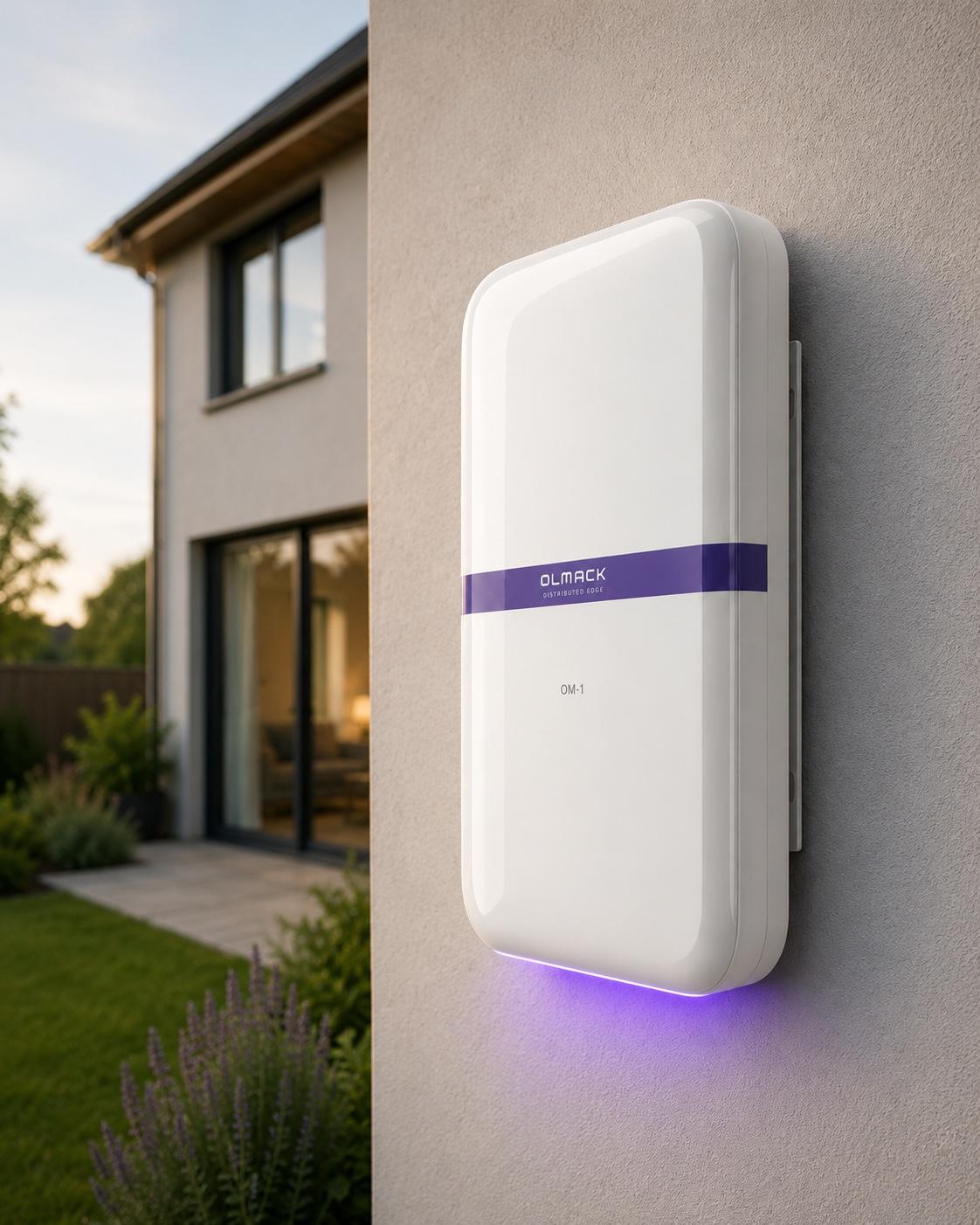
How Olmack approaches your energy data.
Detailed energy readings can reveal patterns of daily life, such as when a home is usually empty. These principles describe how Olmack intends to handle them.
Consent before access.
Detailed readings are used with the clear permission of the household or the person responsible for the building.
A clear purpose.
You should know what readings are used for before you agree. They are used for the purposes explained to you.
No more than needed.
Collect the level of detail a purpose requires, and keep it no longer than necessary.
Your choice can change.
You can withdraw consent at any time. Withdrawing stops further collection for that purpose.
Protected access.
Access to readings is limited to the people who need it, with security designed into how readings are stored and moved.
Plain answers.
Questions about your data deserve straight answers. Ask us what is held about you and why.
Read our privacy notice